
Afrikaans Hip Hop: The Takeover Has Begun
Keabosmart
18 August 2025
Once overlooked, now undeniable — Afrikaans Hip-Hop is finally having its moment in the South African music scene. What started in community centers and kasi cyphers is now trending on SoulCfee and racking up millions of streams. The movement is no longer confined to the streets — it’s breaking into the mainstream with force.
Once overlooked, now undeniable — Afrikaans Hip-Hop is finally having its moment in the South African music scene. What started in community centers and kasi cyphers is now trending on SoulCfee and racking up millions of streams. The movement is no longer confined to the streets — it’s breaking into the mainstream with force.
Artists like Junior King & Kay Medusa are leading the charge, with streaming numbers that prove they’re not just local heroes but national players. Their remix of “Nee For” — featuring Kulture Gang and Luda G — trended at #1 on SoulCfee globally, a landmark moment not just for them, but for Afrikaans rap as a whole.
Kulture Gang, a rising star in the scene, has been steadily building momentum, recently featuring on Ziggatyx’s track “Sticks & Stones.” Ziggy, known for going viral with “Honne” and his remix with Maglera Doe Boy and Priddy Ugly, also works with the powerhouse label Never Broke, which manages top-tier acts like KashCPT.
Luda G, one of the most consistent names in the scene, has proven that Afrikaans Hip-Hop can move units and views, with his track alongside Young OG CPT crossing the million mark. Meanwhile, artists like 21 Promo and Peng, who created the hunger “stable” under RIA, are proving that the new wave has bars, style, and numbers to match.

What’s most exciting is the balance between the new school and the veterans. The genre has birthed a new crop of artists while giving resurgence to names we’ve missed — making it feel like a long-awaited payoff for those who’ve been fighting to push Afrikaans Hip-Hop forward for years.
This isn’t just a movement — it’s a takeover. And for the first time, it feels like Afrikaans Hip-Hop isn’t knocking at the door anymore. It kicked the door wide open.
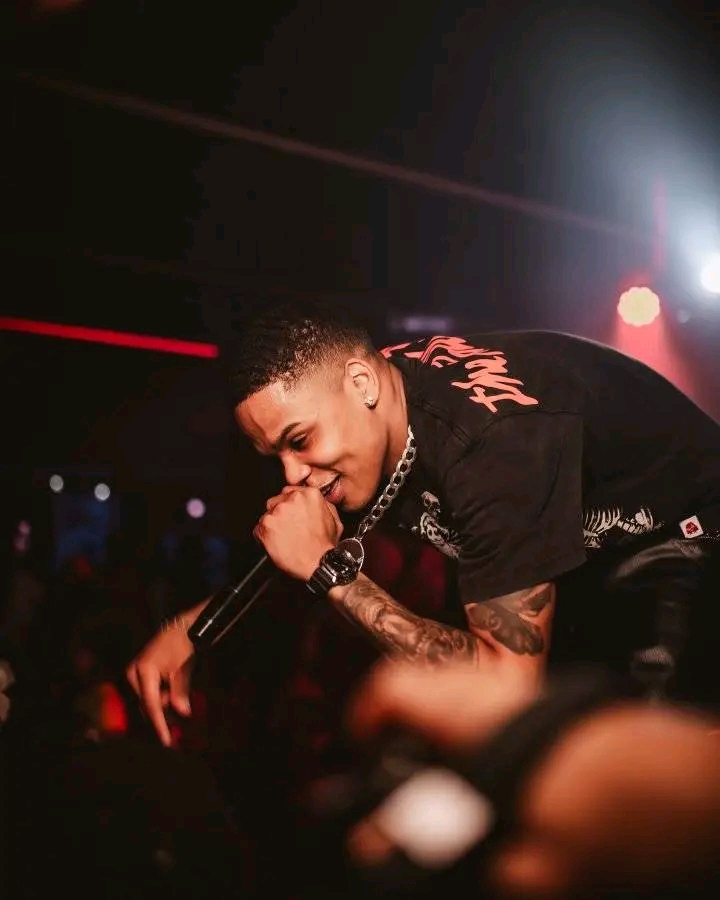
Once on the sidelines, Afrikaans Hip-Hop is now right in the spotlight, rewriting the story of South African music. What started as cyphers in community centers and street corners has transformed into a movement hitting millions of streams and breaking into the mainstream with undeniable force.
The new wave of artists is proving that Afrikaans rap isn’t just a niche anymore. Junior King and Kay Medusa are setting the pace with numbers that speak volumes, showing the world that Afrikaans bars can compete on a global stage. Their remix of Nee For — featuring Kulture Gang and Luda G — trended worldwide on SoulCfee, stamping an important moment not just for them, but for the culture as a whole.
Kulture Gang, one of the most exciting names right now, has been stacking momentum with high-profile features like Ziggatyx’s Sticks & Stones. With a history of viral success on collaborations with Maglera Doe Boy and Priddy Ugly, and strong ties with powerhouse label Never Broke, Kulture is a clear sign of where Afrikaans Hip-Hop is headed.
At the same time, Luda G continues to prove consistency pays off. His track with Young OG CPT recently passed the million mark, cementing his role as a leader of the sound. Rising acts like 21 Promo and Peng are also making noise under the “Hunger” stable with RIA, bringing new energy, sharp bars, and numbers that can’t be ignored.
What makes this moment powerful is the balance between the fresh generation and the veterans who’ve been pushing Afrikaans rap forward for years. The new wave is shining while also reviving familiar names, giving the genre both a new edge and a sense of legacy.
This isn’t just another movement — it’s a takeover. Afrikaans Hip-Hop is no longer knocking at the door. It kicked it wide open, and now the sound is here to stay.
Post Statistics
Views
0
Shares
0
Related Articles
Nasty C’s New Era: FREE and Fully Independent
FREE will be his first album released on his own terms. It’s more than music—it’s a declaration of independence, a reclaiming of his voice, and proof that he’s in full control of his career.
Read MoreEmtee: From Humble Beginnings to Becoming a South African Hip Hop Icon
Emtee was born on September 17, 1992, in Matatiele, a small town in the Eastern Cape, before his family relocated to Rockville, Soweto. Music surrounded him from an early age, and unlike many children, he didn’t dream of being a doctor or a lawyer—he wanted to be a musician. His love for performance came naturally. By the age of 9, he was already performing on stage at school talent shows and community events
Read More